Embroider: A Sweet & Friendly Handwritten Font
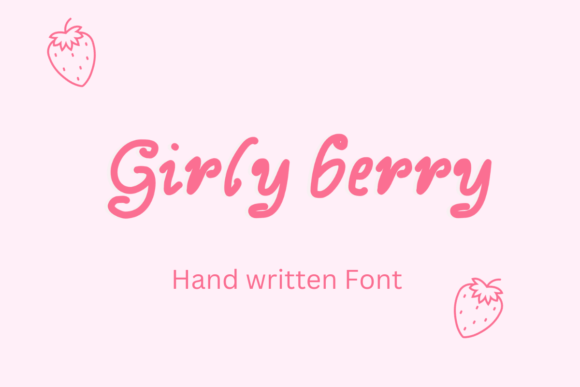
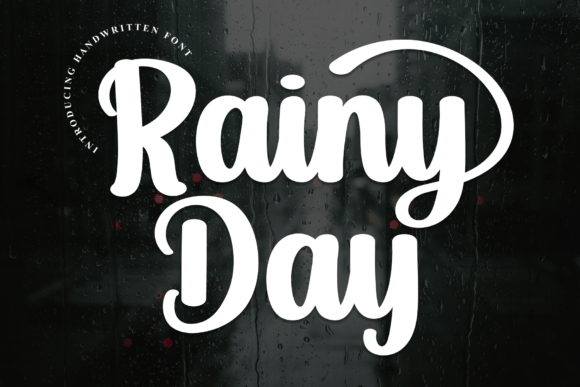
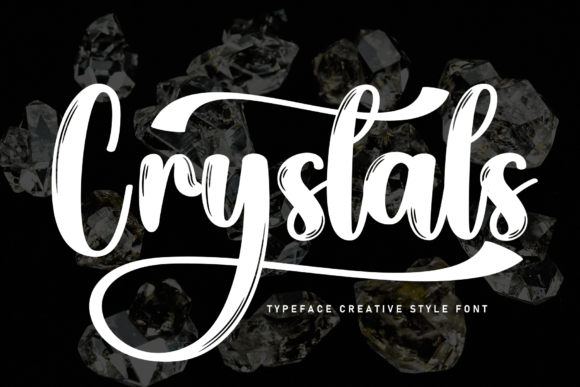
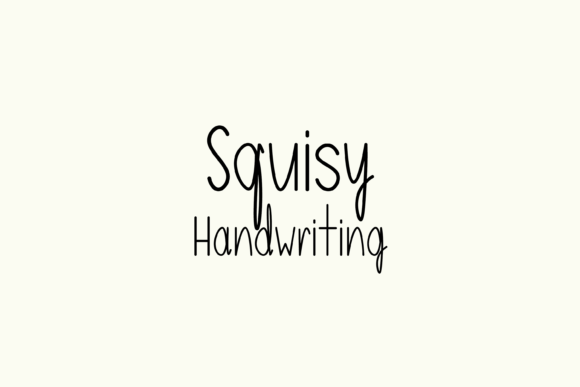
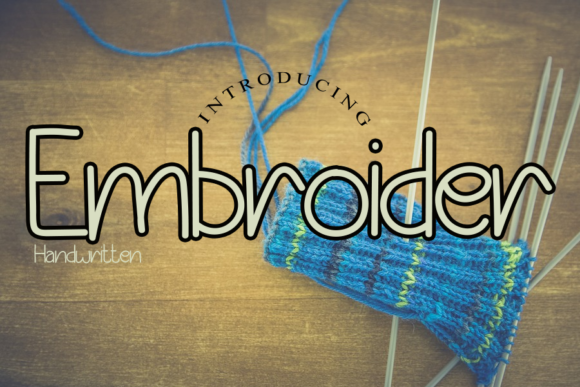
If you’ve ever scrolled through design tools or font libraries and paused at a typeface that feels like a warm hug on screen—soft, personal, and full of quiet charm—you’ve probably stumbled upon Embroider. It’s not just another handwritten font. It’s a carefully crafted, naturally flowing script with gentle curves, subtle inconsistencies, and a hand-drawn authenticity that avoids looking stiff or overly polished.
What Makes Embroider Stand Out?
Unlike many digital scripts that rely on uniform spacing or mechanical precision, Embroider embraces imperfection in the best possible way. Its letters have slight variations in weight, slant, and connection—just like real handwriting. That means “a” might sit a little higher than “o”, and “t” may cross with a soft, off-center stroke. These details don’t distract; they invite. They make text feel human, approachable, and memorable.
Its sweetness comes from rounded terminals, open counters, and generous letter spacing—no tight squeezes or jagged edges. And because it’s designed with clarity in mind, even smaller sizes remain legible without losing character. That balance—personality *and* practicality—is why designers, educators, and small business owners keep coming back to Embroider.
Where Does Embroider Shine?
You’ll find Embroider working quietly—and effectively—in places where warmth and sincerity matter most:
- Small business branding: Think café chalkboard menus, handmade soap labels, or boutique packaging. Its friendliness helps customers feel welcomed before they even read a word.
- Educational materials: Teachers use it for classroom posters, reading charts, or student handouts—especially when trying to soften formal content or support early literacy.
- Digital content: Blog headers, Instagram story text overlays, or email newsletter banners gain instant personality with Embroider, without sacrificing readability on mobile screens.
- Personal projects: Wedding invitations, baby announcements, journal covers, or DIY greeting cards all benefit from its gentle, heartfelt tone.
It’s also surprisingly versatile across mediums. Whether you’re printing on kraft paper, layering over watercolor backgrounds, or animating a short social clip, Embroider holds its own—not by shouting, but by connecting.
Who Benefits Most From Using Embroider?
If you're new to typography—or even if you've been designing for years—you’ll appreciate how Embroider lowers the barrier to creating something beautiful. You don’t need advanced layout skills to make a meaningful impact. A simple quote in Embroider, centered on a clean background, often says more than a complex composition with busier fonts.
Freelancers and solopreneurs love it because it adds polish without complexity. A logo lockup using Embroider for the tagline (paired with a clean sans-serif for the main name) gives just enough contrast—professional yet personable. Bloggers use it to highlight key takeaways or pull quotes, making long-form content feel more conversational. Even educators building printable resources notice students respond more positively to materials that look less “textbook” and more “made with care.”
Realistic Tips Before You Start
While Embroider is easy to love, a few thoughtful choices help you get the most out of it:
- Pair it wisely: Let Embroider be the voice—not the whole conversation. Pair it with a neutral, highly legible font (like a friendly sans-serif or a light serif) for body text or supporting information. Too much handwritten style in one layout can tire the eye.
- Respect hierarchy: Use it for headings, quotes, names, or short phrases—not long paragraphs. Its charm lies in contrast and intention, not endurance.
- Check licensing early: Some versions of Embroider are free for personal use only. If you plan to use it commercially—on merchandise, client work, or paid digital products—verify the license terms first. Many creators offer affordable extended licenses that cover broader usage.
- Test on your medium: Print it at actual size. View it on both light and dark backgrounds. See how it renders in your email client or CMS. Small details—like how the “g” or “y” descends—can shift dramatically depending on context.
A Few Simple Ideas to Try Today
You don’t need a big project to experience what Embroider brings to the table. Here are low-pressure ways to start:
- Create a printable weekly planner header—just your name and the week’s dates. Instant uplift.
- Add a short affirmation (“You’ve got this”) in Embroider to your desktop wallpaper or phone lock screen.
- Design a simple thank-you card for a client or friend. Combine Embroider with a minimalist border or soft color wash.
- Use it in a Canva social post to highlight a tip or value statement—“Clarity starts with kindness” works beautifully here.
None of these require design expertise. Just curiosity, a few minutes, and the willingness to let the font do some of the emotional work for you.
Why This Font Feels Timeless—Not Trendy
Trends come and go, but sincerity doesn’t expire. Embroider succeeds because it taps into something steady: our desire to communicate with heart. In a world saturated with bold, high-contrast, algorithm-optimized visuals, choosing a font like Embroider is a quiet act of intention. It signals that the message matters—and so does the person receiving it.
That’s why it fits equally well on a handmade candle label and a university workshop flyer. It doesn’t try to be everything. It simply shows up—sweet, friendly, and ready to help your words land gently, clearly, and memorably.